yahoo Press
6 signs you’re drinking too much alcohol and what happens to your body when you quit
Images
1 / 9

2 / 9

3 / 9

4 / 9
5 / 9
6 / 9

7 / 9
8 / 9

9 / 9
Alcohol remains a substance that many Brits consume. While the number of those abstaining is growing, alcohol is still consumed by around three-quarters of adults.

Many people drink to unwind, celebrate or socialise, but where is the line between enjoyment and a problem?

While consuming alcohol in moderation generally does not cause issues, it’s important to be aware of the signs that you may be drinking more than you should.

Drinking in excess can negatively affect your physical and mental health, as well as your relationships and daily life.

The NHS recommends that adults drink no more than 14 units of alcohol a week, equivalent to about six medium glasses of wine (175ml) or six pints of 4% beer, and drinking should be spread across three days or more.

"There’s no completely safe level of drinking, but sticking within these guidelines lowers your risk of harming your health," reads the NHS website.

Whether or not you are drinking too much alcohol isn't always clear-cut. There's a difference between binge drinking and feeling like you can't get through the day without any amount of alcohol.

Developing a dependency on alcohol is described as the most serious form of high-risk drinking. It is often characterised by a strong, often uncontrollable desire to drink and leads to drinking at a level that is harmful to your health.

Drinking problems can often creep up on a person. They may not realise that they are starting to need more alcohol to feel any effects.

Other times, it can be easy to explain away incidents like blackouts or getting into trouble as rare events. It's important to recognise the early signs of alcohol abuse and get help for yourself or your loved one as soon as possible.

If you only meant to have one or two drinks, but end up drinking far more, it can be a warning sign that you aren’t able to control your drinking.

Over time, the body can build a higher tolerance to alcohol, which means you need to drink more to feel the effects you once got from fewer drinks.

This is a red flag and may lead to drinking larger amounts of alcohol, which can cause serious health problems, such as liver damage, high blood pressure and increased risk of certain cancers.

Drinking excessive amounts of alcohol can lead to blackouts, which are periods where you can’t remember what happened while you were drinking. Regular blackouts are a serious sign that you’ve crossed into risky drinking territory.

Memory lapses during or after drinking are more than just an inconvenience; they indicate that alcohol is affecting your brain’s ability to store memories.

When alcohol begins to interfere with your job performance or relationships, it’s a clear signal that it may be time to reassess your drinking habits.

Perhaps you’re missing work due to hangovers or calling in sick more often. Or maybe your drinking has led to conflicts with family, friends or colleagues.

If alcohol is starting to get in the way of important responsibilities or your personal connections, it’s a strong indication that it’s time to cut back.

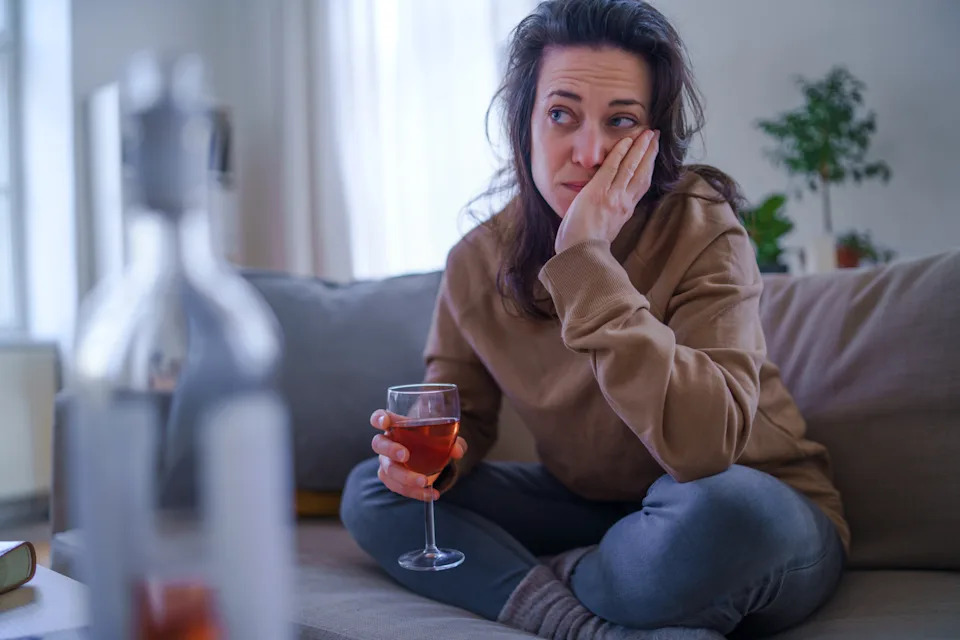
Enjoying a casual drink by yourself from time to time is nothing unusual, but if you find yourself drinking alone regularly or in secret, it could be a sign that your drinking habits are becoming problematic.

If you notice you’re drinking more when you’re alone or trying to hide your consumption from others, it’s worth reflecting on your relationship with alcohol.

If you find yourself becoming defensive or dismissive when your loved ones express concern about your drinking, it may be a sign that you recognise there’s a problem but aren’t ready to confront it.

It’s important to take others' concerns seriously and consider your drinking habits.

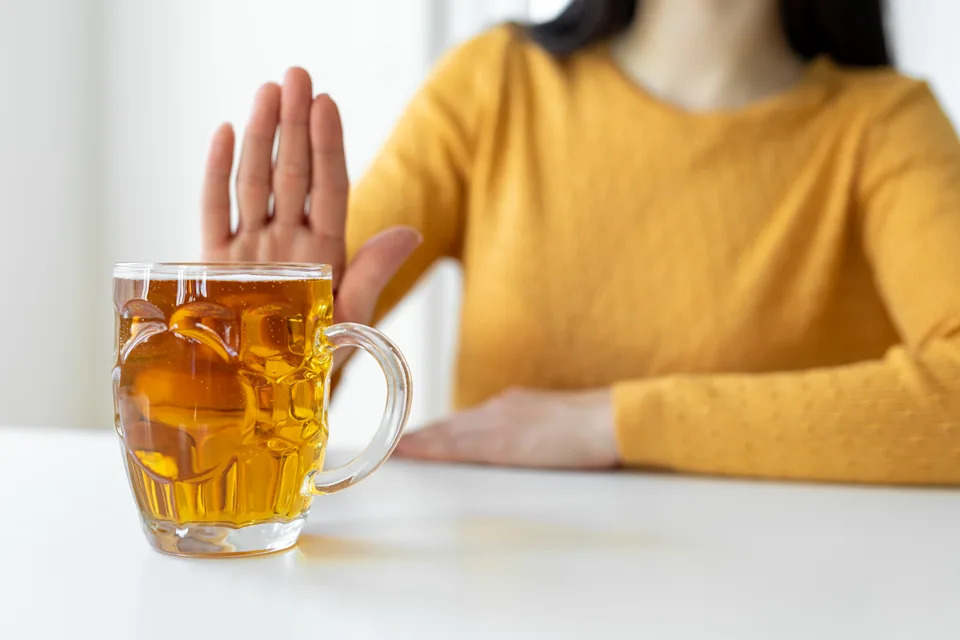
If you are drinking significant amounts of alcohol regularly, then cutting down on alcohol can be an important step towards better overall health.

You will likely notice some changes in both the short and long term as you reduce your alcohol consumption. These include:

No hangovers

Improved mental health

Improved energy levels

Better sleep

Improved skin appearance

Weight loss

Drinkaware experts say that you can reduce your risk of developing a number of serious alcohol-related diseases if you decide to stop drinking.

Alcohol has been linked to seven types of cancer, including bowel cancer, breast cancer, liver cancer and mouth cancer.

In addition, giving up alcohol can also reduce your chances of developing liver disease, as long as your liver hasn’t already been irreversibly damaged.

Quitting alcohol can also lower the risk of:

Heart disease and stroke

High blood pressure

Sexual dysfunction

Gut problems

If you think you need help with your alcohol consumption, you can get in touch with the free national alcohol helpline Drinkline at 0300 123 1110, or contact Alcoholics Anonymous (AA) here.
Comments
You must be logged in to comment.