yahoo Press
Best credit cards with no foreign transaction fees in March 2026
Images

1 / 18

2 / 18

3 / 18

4 / 18

5 / 18

6 / 18
7 / 18

8 / 18

9 / 18

10 / 18
11 / 18

12 / 18

13 / 18

14 / 18

15 / 18

16 / 18

17 / 18

18 / 18
Some offers on this page are from advertisers who pay us, which may affect which products we write about, but not our recommendations. See our Advertiser Disclosure.

While rewards and savings may be top of mind when choosing the right credit card to take on your next trip, don’t underestimate the value of another key benefit: no foreign transaction fees. When these fees do apply, they can cost as much as 3% of your total transaction — every time you make a purchase abroad. Choosing credit cards with no foreign transaction fees can help you save a lot of money while traveling internationally.

Why we like it: The Savor card earns the most rewards in bonus categories that are bound to benefit you while traveling abroad. Whether you like to try new restaurants in each city you visit or shop locally to prepare your own meals, you’ll get 3% on your food spending. But we especially like how broad the “entertainment” category is, including tickets to tourist attractions, theater shows, amusement parks, and more. This no foreign transaction fee credit card also has no annual fee to offset all the rewards you’ll earn.

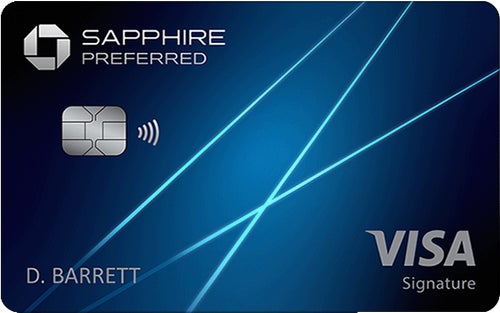
Why we like it: At just $95 annually, the Chase Sapphire Preferred is one of the best credit cards without foreign transaction fees. It can offer outsized value for international travelers looking for great redemption value, as you can rack up points in various everyday and travel-related categories and then redeem them for travel.

You might choose to transfer points at a 1:1 ratio to one of Chase’s 14 partner airline and hotel loyalty programs. Or, you can book travel through Chase using points and get redemption boost on select eligible bookings.

Why we like it: We like the Capital One Venture X as a travel card with premium rewards and benefits for a lower annual fee than some other competitors. If you’re looking for a credit card with no foreign transaction fees because you often travel internationally, this card can help you maximize your frequent trips.

The annual travel credit alone can nearly wipe out the annual fee, even before considering the miles you can earn. But remember: You’ll get the most value if you’re willing to book trips through the issuer’s travel portal. If you prefer to book directly with airlines or hotels, you may want to look elsewhere.

Why we like it: If you travel frequently each year, it’s easy to maximize the Chase Sapphire Reserve even with its high annual fee. Along with great rewards rates on travel and dining, we like the $300 annual travel credit you can earn. This credit can apply to everything from airfare and parking fees to travel agents and much more. Plus, this no foreign transaction fee credit card offers complimentary airport lounge access and several types of travel insurance to protect you — and your wallet — during trips.

Like the Chase Sapphire Preferred, the Sapphire Reserve is also a great option for maximizing travel redemptions through Chase’s rewards program. Chase Ultimate Rewards points are worth up to 2x more using Points Boost for eligible bookings through Chase.

Why we like it: We like the QuicksilverOne as a credit-building card that’s available for those who may not qualify for more premium options but still want to earn rewards. While it doesn’t have the welcome bonus or intro offer of the regular Capital One Quicksilver Cash Rewards Credit Card (and you’ll have to pay an added annual fee), this card offers a competitive 1.5% cash back on the money you spend at home or while traveling abroad.

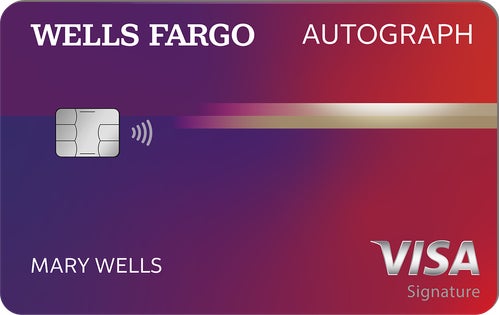
Why we like it: As a no-annual-fee option, the Wells Fargo Autograph has a long list of rewards categories that can fit nearly any budget. If you only travel abroad occasionally and want a card you can benefit from both internationally and at home, this could be a good option. It doesn’t have the great added benefits or rewards boosts of other cards, but it can make a solid everyday rewards credit card. Plus, we like the welcome offer (worth $200) and the competitive 0% intro APR for added value.

A foreign transaction fee is an added charge for making purchases outside of the United States. This includes purchases you make in-person while traveling abroad, but it can also apply to items you buy online from international sellers.

Foreign transaction fees typically range from 1% to 3% of your overall purchase, though they vary by credit card issuer. Some issuers even forgo these fees on every credit card they offer. You can find the details of any card’s foreign transaction fee charges within the card agreement.

Here’s a look at what each credit card issuer charges for foreign transactions. But remember: If you have a credit card without foreign transaction fees, you won’t pay anything.

If you travel abroad often, or have plans to in the near future, a credit card with no foreign transaction fees can make your trip more affordable.

For example, say you’re going on a two-week vacation across Europe, where the euro is the standard currency. You plan to use your credit card for multiple purchases each day — food, souvenirs, transportation, tourist attractions, and other conveniences — to take advantage of the card’s purchase protections and rewards.

By the end of your trip, you’ve spent the U.S. dollar equivalent of $2,500 with your card. A 3% foreign transaction fee would leave you with another $75 on top of your total.

Even if you only go abroad once per year, that’s still a significant amount of savings.

If your travel plans are firmly made up of domestic travel within the United States, however, credit card foreign transaction fees are less of a concern. Still, consider whether you make other purchases that could lead to you racking up these fees even from home, such as spending money with an online retailer in a foreign country.

See also: Best credit cards for vacations

No foreign transaction fee credit cards are often also travel cards or rewards credit cards with added perks you can use while traveling or at home. Here are a few details to consider from no foreign transaction fee credit cards.

Qualification requirements: Check your credit score before you submit a new card application, and make sure you’re confident you can qualify. Applying to too many new credit accounts within a short time frame can have a negative effect on your credit. If you’re unsure, see whether the card you like offers preapproval without a hard credit check.

Welcome offer: If you’re getting a card without foreign transaction fees for an upcoming trip, scoring a great welcome offer along the way can give you back a lot of added value. Before you apply, make sure the required spending minimum is within your budget. You don’t want to risk taking on high-interest debt, no matter how high the potential sign-up bonus.

Rewards: Any new rewards credit card you add to your wallet should make it easy to maximize the purchases you already make. It pays in rewards value over the long term if you prioritize a card with no foreign transaction fees that also rewards your regular spending.

Travel protections: Many travel credit cards come with travel benefits that can also save you a lot of money on future trips. This may include everything from trip cancellation and interruption insurance to reimbursement for travel delays, baggage delay insurance, rental car insurance coverage, emergency assistance, and more. You may not always need these travel insurance protections, but you won’t regret having access to them when you do.

These are a few things to keep in mind if you’re taking a credit card on your next trip:

Know your credit card network: While both American Express and Discover are widely accepted across the U.S., you may have more difficulty using them abroad. Visa and Mastercard are generally more common than Amex or Discover internationally. If you’re planning to use your American Express card or Discover card abroad, consider keeping a backup Visa or Mastercard in your wallet, too.

Bring some cash: It’s always smart to have some cash on-hand when traveling internationally. While you may not want to risk carrying a large amount with you, some local currency can offer peace of mind. Save money by converting your currency before you leave; airport currency exchanges often have very unfavorable exchange rates and added fees.

Be aware of dynamic currency conversion: When you make a purchase with your card in another country, you may be given the option to complete the charge in U.S. dollars or the local currency. That’s known as dynamic currency conversion (DCC) and can often cost you more than if your card network converts the foreign currency later. In fact, you can often avoid any currency conversion fees if your credit card has no foreign transaction fees (though you should always check your card’s terms to be sure).

Many credit cards — especially travel-focused cards — have no foreign transaction fees. Popular options include:

Capital One Savor Cash Rewards Credit Card

Chase Sapphire Preferred

Capital One Venture X Rewards Credit Card

Chase Sapphire Reserve

Capital One Quicksilver Secured Cash Rewards Credit Card

If you’re a frequent international traveler, the best way to avoid fees is to choose a no foreign transaction fee credit card. Foreign transaction fees are often 1% to 3% of credit card purchases abroad, so choosing a card without these fees can help you keep more money in your pocket.

The top credit cards to use abroad will differ depending on how often you travel. Frequent travelers could benefit from a top-tier card like the Chase Sapphire Reserve, as it offers several travel perks that will make your trips more comfortable and less expensive. If you don’t travel as often, its sister card, the Chase Sapphire Preferred, might be a better choice.

To create this list of the best cards with no foreign transaction fees, we started with the dozens of credit cards we’ve already rated and ranked under relevant categories, including travel credit cards, rewards credit cards, and cash-back credit cards.

Taking the cards we already consider highest-rated — based on methodologies that include annual fee vs. rewards value calculations, a review of benefits, APR and other fees, and more — we focused on only those that charge no foreign transaction fees. This detail is sometimes marketed by issuers as a card perk but can also be found within any credit card agreement’s breakdown of fees. Because they’re more widely accepted globally, we also prioritized card picks from issuers that offer cards on the Visa or Mastercard network.

From there, we focused on choosing a list of cards based on categories chosen to appeal to a broad range of cardholders who may be interested in no foreign transaction fee cards. From credit card beginners to those already using multiple cards, we believe there’s an option on our list for anyone.

This article was edited by Alicia Hahn

Editorial Disclosure: The information in this article has not been reviewed or approved by any advertiser. All opinions belong solely to Yahoo Finance and are not those of any other entity. The details on financial products, including card rates and fees, are accurate as of the publish date. All products or services are presented without warranty. Check the bank’s website for the most current information. This site doesn't include all currently available offers. Credit score alone does not guarantee or imply approval for any financial product.

Before leaving on vacation, use this guide to secure the right card for saving on travel expenses.

Understanding how to use your credit card for international travel can help make your trip go more smoothly and potentially even elevate your experience.

Credit card fees can easily slip through the cracks. Here are eight of the most common types of fees.

Capital One has one of the best credit card lineups for different scenarios, including earning cash back or miles, or using a 0% introductory APR offer.

The right travel credit card can help you earn points toward your next trip with the purchases you make most. These are the best travel cards right now.

The Savor Cash Rewards card from Capital One offers solid rewards in popular categories, plus a generous 0% intro APR offer.
Comments
You must be logged in to comment.