yahoo Press
The best credit cards for April: See our picks for the top cash-back, rewards, travel cards, and more
Images

1 / 20

2 / 20

3 / 20

4 / 20

5 / 20

6 / 20
7 / 20
8 / 20
9 / 20
10 / 20
11 / 20

12 / 20
13 / 20
14 / 20
15 / 20

16 / 20

17 / 20

18 / 20

19 / 20

20 / 20
Some offers on this page are from advertisers who pay us, which may affect which products we write about, but not our recommendations. See our Advertiser Disclosure.

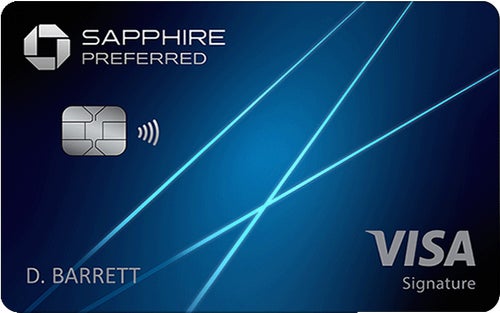
Why we like it: The Chase Sapphire Preferred tops our list of rewards cards for its mix of great travel and everyday rewards combined with an affordable annual fee cost. You’ll start with an excellent welcome bonus and earn rewards on travel, dining, online grocery purchases, streaming, and more. Each account anniversary, you’ll also get a points bonus worth 10% of the total rewards you earned over that year.

Take your rewards even further when you’re ready to redeem. You can transfer points to Chase’s partner airline and hotel programs, like United MileagePlus, Southwest Airlines Rapid Rewards, and World of Hyatt. Or you can redeem for travel through Chase Travel℠ and use Points Boost to get up to 1.5x per point on eligible hotel bookings and flights with select airlines.

Read our full Chase Sapphire Preferred Card review.

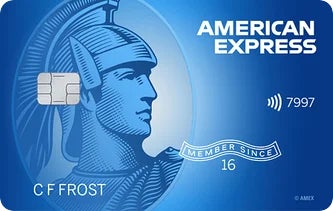
Why we like it: For maximum cash-back earnings on regular spending, the American Express Blue Cash Everyday Card is tough to beat. Bonus rewards are focused on three categories: U.S. supermarkets, U.S. online retail purchases, and U.S. gas stations. There are spending caps that can limit your rewards if you have a very large budget, but you can earn the full 3% rewards on up to the first $6,000 spent in each category annually (about $500 per month per category). If you max out each 3% category, you could earn $540 in cash back annually, before accounting for any non-bonus spending.

On top of rewards, the Blue Cash Everyday also has a great welcome bonus, an introductory 0% APR period for new purchases and balance transfers, and some ongoing annual benefits.

Read our full review of the Blue Cash Everyday Card from American Express.

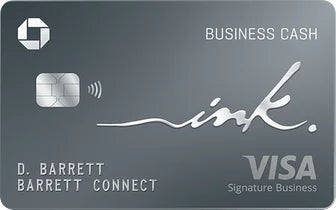
Why we like it: No matter what type of small business you have, you can get a lot of value with the Ink Business Cash Credit Card. This card is easy to use and covers a range of common business spending categories. Plus, it has an excellent welcome bonus, especially for a no annual fee card.

However, you should compare your budget to the Ink Business Cash Card’s rewards category spending caps before you apply. You’ll only earn 5% on combined purchases at office supply stores and on internet, cable, and phone services on the first $25,000 you spend per anniversary year. The same $25,000 cap applies to 2% rewards on combined gas stations and restaurant spending. If you spend much more in these categories annually, you may want to consider a card with no cap, even if it earns slightly lower rewards.

Read our full Ink Business Cash Credit Card review.

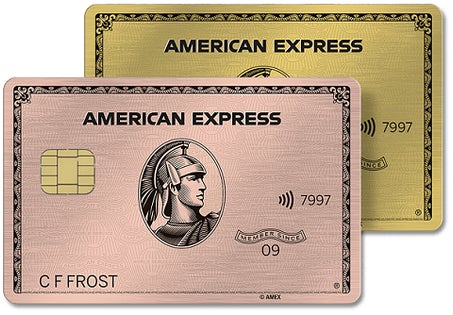
Why we like it: The American Express Gold Card is a fantastic travel rewards credit card that lets you maximize spending when you’re traveling and at home. Its top reward categories are focused on food spending, with 4x points at worldwide restaurants (up to $50,000 spent per year) and at U.S. supermarkets (up to $25,000 spent per year). If you eat out often or have a steep annual grocery budget and max out these categories each year, you could earn 300,000 points on food purchases alone.

The Amex Gold also has plenty of annual credits to add value back to your wallet each year. That includes up to $120 in annual dining credits (up to $10 per month at participating partners; enrollment required), up to $100 toward eligible charges when you book at least two nights with The Hotel Collection through Amex Travel, and more.

Read our full American Express Gold Card review.

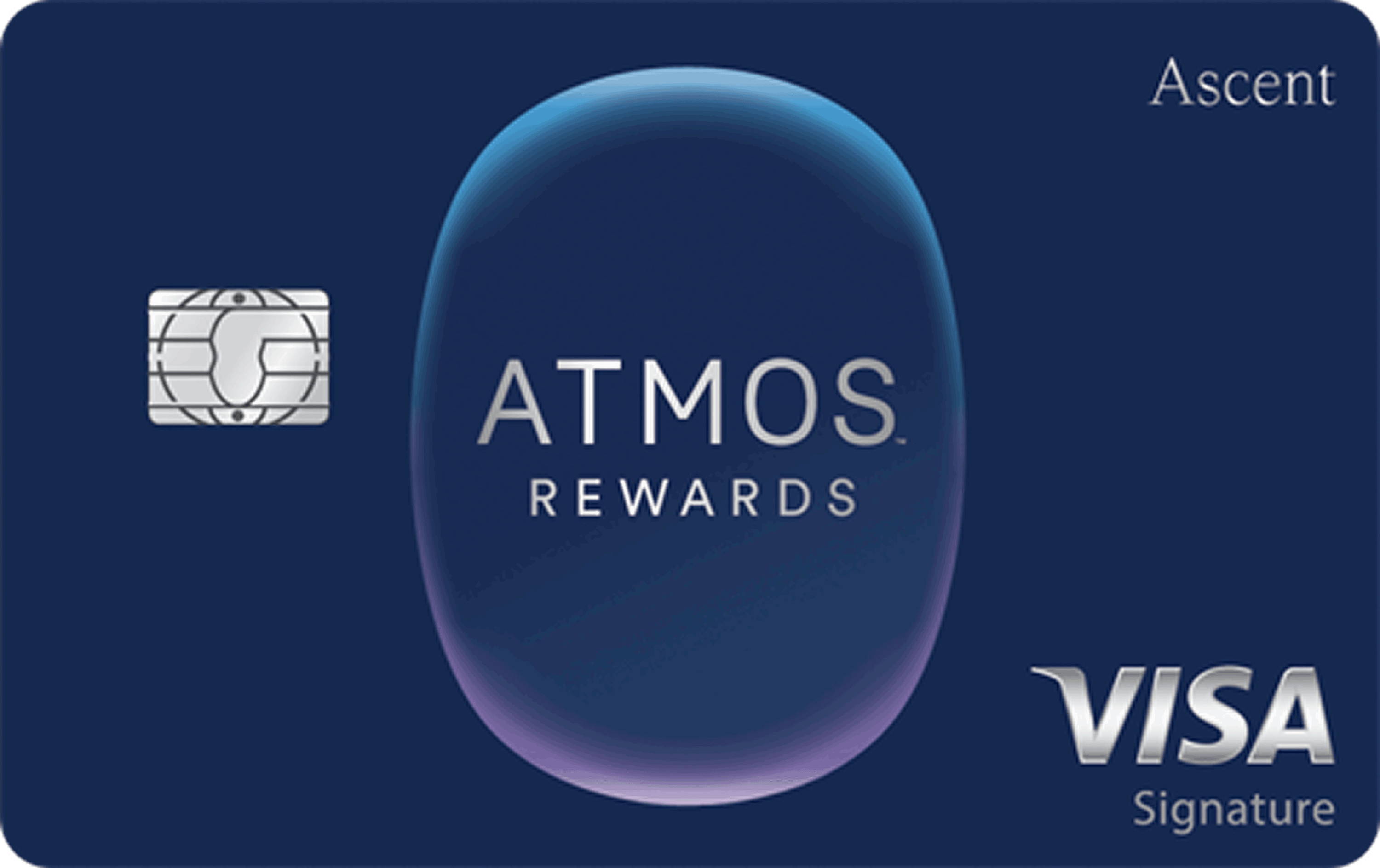
Why we like it: Airline credit cards can be a solid option for frequent travelers who have a preferred or most convenient airline. We like the Atmos Rewards Ascent Visa Signature card for Alaska Airlines and Hawaiian Airlines flyers for its great rewards and ample benefits without a steep price tag.

That includes rewards on both flights and everyday spending, as well as an annual $99 Companion Fare (not including taxes and fees) when you spend at least $6,000 using your card. You’ll also get a great welcome bonus offer, a free checked bag, priority boarding, $100 off an annual Alaska Lounge+ Membership, and more.

Read our full Atmos Rewards Ascent Visa Signature Card review.

Why we like it: The Discover it Student Cash Back is a great choice for students looking to build credit while earning rewards. This no-annual-fee card earns up to 5% cash back across rotating quarterly categories, ranging from grocery stores to select streaming services and Amazon.com. When you activate your rewards each quarter, you can earn 5% on up to $1,500 in combined spending.

In addition to rotating category rewards, you can earn an excellent welcome bonus with Discover’s Cashback Match, and when you graduate, you can update your income information with Discover to see if you qualify for a higher credit limit. If you’re just starting to build your credit history, there’s no credit score required to apply for this student card.

Read our full Discover it Student Cash Back review.

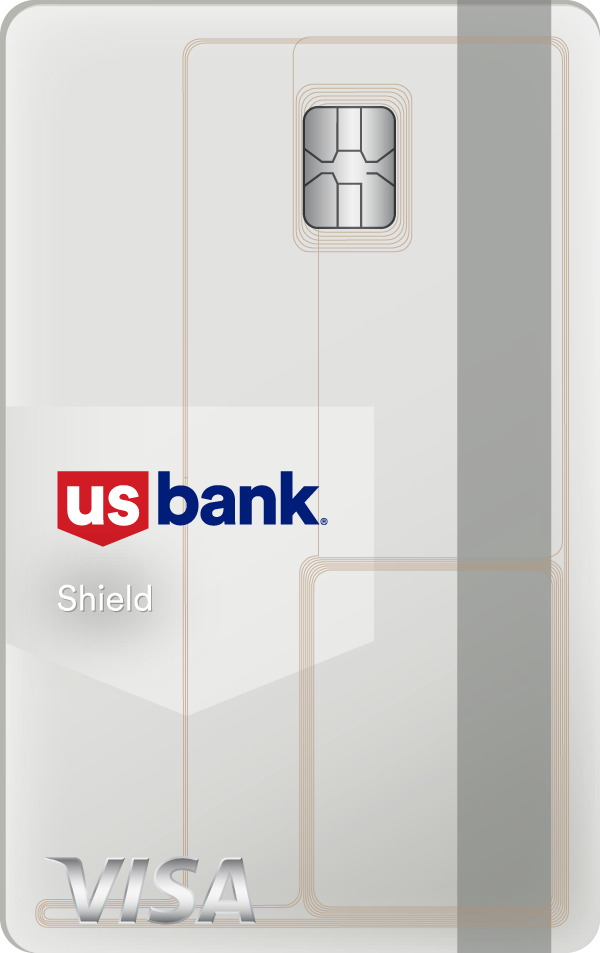
Why we like it: You won’t find many credit cards with longer 0% APR periods today than the U.S. Bank Shield Visa Card. If you’re planning to make a large purchase that you’d like to finance, this card can help give you ample time to pay down the balance. The one downside: It doesn’t have great rewards on spending. Check out our full list of the best 0% APR credit cards if you don’t mind trading a shorter introductory period for cash-back rewards.

While this is primarily a 0% APR card, there are still a few benefits to note. You can earn 4% cash back on prepaid air, hotel, and car rental bookings through the U.S. Bank Travel Center, and you’ll get a $20 annual statement credit after you make a purchase with your card for 11 consecutive months.

Why we like it: A balance transfer credit card is a helpful tool for paying down existing debt, and the BankAmericard is a great option with a long introductory period. You can take advantage of the balance transfer offer when you make your transfer within the first 60 days of account opening and pay a 3% balance transfer fee.

You won’t earn any ongoing rewards on spending with this balance transfer card, but there is no penalty APR for late payments, and the ongoing variable APR is relatively low compared to many other credit cards today. Still, it’s smart to pay down as much of your debt as possible through the intro period so you can avoid racking up a higher balance when the interest rate kicks in.

Why we like it: Another excellent option for building credit while earning rewards is the Bank of America Customized Cash Rewards Secured card. You’ll need a security deposit of at least $200 to open (up to a $5,000 max), which will act as your credit limit. Over time, you can build credit as you use your card and pay your balances on time. Bank of America will periodically review your account to determine if you qualify to have your deposit returned.

As you build your credit score, you can use this card’s bonus rewards categories to maximize cash back on your everyday spending. For the top 3% category, you’ll be able to choose where you want to earn rewards, among options like online shopping, dining, gas and EV charging stations, and more. Make sure you keep spending caps in mind, though: You’ll earn bonus rewards across both the 3% and 2% categories only up to the first $2,500 in combined purchases each quarter.

Yahoo Finance’s top credit card picks

Best cash-back credit cards

Best 0% APR credit cards

Best travel credit cards

Best rewards credit cards

Best balance transfer credit cards

Best business credit cards

Best secured credit cards

Best student credit cards

Best hotel credit cards

Best airline credit cards

You can use a credit card as a form of payment to make purchases up to a certain amount (your credit limit). Each month, you’ll have a period of time to pay back the amount you charge to your credit card; if you don’t pay your balance in full by then, it will begin to accrue interest at the card’s ongoing APR.

If you use your credit card like a debit card and pay it off in full by the due date each month, you can boost your credit score without incurring interest charges. With a rewards card, you can get value back on your spending in the form of cash back, miles, or points.

You may also be eligible for added benefits like statement credits, purchase and travel protections, partner discounts, and more. Some credit cards offer introductory 0% APR periods for new purchases or balance transfers to help you avoid interest altogether for a given period. But there are also card fees to consider, such as annual fees, foreign transaction fees, cash advance fees, and more. These fees vary by card and usage.

Consider these factors as you compare different types of credit card offers:

Welcome offers: Most rewards credit cards provide welcome bonuses that new cardholders can earn by completing qualifying activities, such as spending a certain amount on the card in the first few months after account opening. A sign-up bonus can be a quick and easy way to get big value from a card as a new cardmember.

Rewards rates: Rewards credit cards provide rewards like cash back, points, or miles. Consider the type of rewards and bonus categories that best suit your spending habits and lifestyle. For example, you might want a card that earns more at gas stations if that’s one of your biggest expenses. Similarly, earning bonus points on travel purchases could make sense for frequent flyers.

Perks and benefits: Benefits vary widely by card and card issuer, but could include 0% APR offers, travel and purchase protections, travel credits, elite status, and more. It makes sense to consider cards with benefits that align with your budget and lifestyle.

Eligibility requirements: The best credit cards typically require good to excellent credit to qualify, as well as other creditworthiness factors. It's worth checking your credit score first and then seeing which cards to consider based on that information. If you have little to no credit history, a student or secured credit card could make sense.

Fees and interest rates: Some cards have annual fees, while others don’t. The same applies to foreign transaction fees, balance transfer fees, and other penalties. Be sure to consider these additional costs as you research different credit cards.

Credit reporting: Most cards from large financial institutions report activity to the three major credit bureaus, but that doesn’t mean all lenders report this activity. While it likely won’t be an issue, it could be worth checking to see if a credit card company reports activity to Experian, Equifax, and TransUnion.

Many types of credit cards exist, and certain card categories may overlap. For instance, airline and hotel credit cards might also fall into the category of travel credit cards. Likewise, some 0% APR cards may also earn cash back. Comparing credit card offers can help you choose the best one for your wallet.

With a cash-back rewards card, you earn valuable cash back on every purchase you make with your card. Depending on how the card’s rewards are structured, you might earn cash back at a flat rate, such as 2% back on all purchases, or tiered cash back in different bonus categories, such as higher returns on grocery or gas expenses.

Many credit card issuers let you redeem rewards for a statement credit, check, gift card, or bank account deposit. Some even let you convert your cash back into points you can use for travel bookings.

Balance transfer cards can be invaluable for consolidating credit card debt and reducing your interest costs. Many balance transfer cards offer a 0% introductory APR for 12 months or more, meaning you can transfer your debt from a high-rate card and pay it down during the intro period without incurring interest charges.

After a balance transfer card’s intro APR period ends, the card’s regular interest rate applies, so ensure you pay off your debts in full before then. Certain balance transfer cards may also earn rewards.

Zero percent introductory APR cards are closely related to balance transfer cards, but instead of an introductory APR on balance transfers, you also get a 0% intro APR on new purchases. That means you could use it to pay a large expense over time and avoid credit card interest.

Like balance transfer cards, 0% APR cards often offer no interest for 12 months or more, but the regular APR kicks in when the intro period expires.

See also: Is it possible to request a 0% APR on an existing credit card?

You can earn points to offset future trips with a travel rewards credit card. Unlike cash-back credit cards, which may offer flat-rate rewards, travel rewards cards typically have a tiered rewards structure. For instance, you might earn 5x points on flight or hotel purchases, 3x points on restaurant purchases, and 1x points on everything else.

Rewards structures, card benefits, and redemption options vary. Still, you can generally use your points to book trips via your card’s travel portal, transfer points to an airline or hotel partner, or redeem points for cash, a statement credit, or a gift card. Many travel cards offer generous welcome bonuses you can earn after meeting a minimum spend within a certain time frame, often three or six months.

An airline credit card can be useful if you’re loyal to one airline. For instance, if you frequently fly Delta, a Delta SkyMiles credit card could help you earn miles to offset your flight costs. Generally, airline cards offer the highest earnings rates on flight purchases, though some may let you earn rewards on things like hotel stays and car rentals too.

Many airline credit cards offer perks like priority boarding, free checked bags, seat upgrades, and airport lounge access. Some also give you complimentary elite status, which can result in even more benefits.

Hotel credit cards can be practical if you strongly prefer one hotel brand over others. For example, a Hilton credit card could be a good choice if you love Hilton hotels.

Hotel cards typically offer the highest reward rates on room reservations, but you might also earn rewards by using your card for airline tickets or rental cars. Some hotel cards have benefits like early check-in, late checkout, free breakfast, or room upgrades, and certain ones may even give you elite status.

Student credit cards are designed specifically for college students. Many student cards have lower credit score requirements than other cards, making them more accessible to young adults with thin credit files. Certain cards also offer rewards programs, letting students earn cash back or points on purchases made in popular rewards categories like restaurant or rideshare purchases.

Like student credit cards, secured credit cards are designed to help cardholders build their credit. But these cards typically require a security deposit, which often equals your total credit limit. If you’ve had past financial issues, a secured credit card could help you rebuild your credit with responsible use.

Read more: Secured vs. unsecured credit cards: What's the difference?

Business credit cards are designed for people who want to earn rewards to offset their business expenses. Cash-back business credit cards may offer flat-rate rewards or tiered rewards in popular purchase categories, like office supply stores or shipping purchases. You can also find travel rewards business cards that earn points or miles; typically, these cards come with a tiered rewards structure.

Business credit cards may come with welcome offers or travel benefits that make business trips easier, such as priority boarding or airport lounge access.

Store credit cards can work a bit differently from other credit cards. Many of these cards — though not all — can only be used at a specific group of stores. With store credit cards, you can often earn store-specific rewards on your in-store or online purchases, and many offer perks like exclusive coupons, free shipping, or extra time to make returns.

You should consider applying for a credit card if you want to:

Build your credit history

Earn rewards

Take advantage of benefits, such as a 0% APR offer on purchases or balance transfers

Have a source of emergency funds

Increase your purchase protection

Easily track your expenses

However, credit cards aren’t for everyone. Their high interest rates and fees could lead to overspending and debt, but they can also be useful financial tools if used responsibly.

You can apply for a credit card once you turn 18, though it might be easier to qualify without a co-signer after age 21. You typically need proof of income to qualify before you turn 21, so becoming an authorized user on a card or looking into secured or student credit cards could make sense.

These are the best cash-back credit cards available:

Chase Freedom Unlimited®

Blue Cash Preferred® Card from American Express

Blue Cash Everyday® Card from American Express

Capital One Savor Cash Rewards Credit Card

Bank of America® Customized Cash Rewards Credit Card

Citi Custom Cash® Card

Wells Fargo Active Cash® Credit Card

Discover it® Cash Back

Common travel credit card benefits include:

Earning points or miles that you can redeem for travel

Travel insurance or coverage

Elite status with an airline or hotel

Airport lounge access

Free checked bags

Early boarding

Free hotel night award

No foreign transaction fees

Reward transfers to travel partners

TSA PreCheck or Global Entry application credit

The best credit card to open depends on your unique situation. Frequent or occasional travelers might benefit from a travel rewards credit card, while those who don’t travel often could find value in a cash-back credit card. If you have significant debt, a balance transfer card with a 0% introductory APR could be the best credit card, while a student credit card might be the right card if you’re in college and interested in building credit.

The best travel rewards card for you is one that aligns with your spending habits and travel preferences. Some of the most popular travel rewards cards are:

Capital One Venture Rewards Credit Card

Chase Sapphire Preferred® Card

Capital One Venture X Rewards Credit Card

American Express® Gold Card

Bank of America® Premium Rewards® Credit Card

Adding more than one credit card to your wallet can be useful. For example, say you opened a student credit card in college to begin building credit. Now, you have a good credit score and your career requires more frequent travel, so you’re looking for a travel rewards card to help maximize your flights and hotels.

Different types of credit cards — cash back, balance transfer, travel rewards, 0% APR, small business cards, etc. — can all serve different purposes. If you have multiple credit cards to serve different needs, you can ensure you get the best value for every purchase.

Just be careful not to add multiple cards at once. Applying for several cards in a short amount of time could result in multiple hard inquiries on your credit report and temporarily reduce your credit score.

To choose the best credit cards for 2026, we analyzed nearly all available credit cards from major credit card companies across different categories. For each category, we developed a weighted ranking system and rubric to score cards based on relevant details, from annual fee and rewards rate to APR, ongoing benefits, welcome bonus, and more.

Based on the results of these rubrics, our research, and expert opinions, we created a best list of credit cards for each category. Then, we chose the top-rated card from each individual category to make up our final list above.

This article was edited by Rebecca McCracken

Editorial Disclosure: The information in this article has not been reviewed or approved by any advertiser. All opinions belong solely to Yahoo Finance and are not those of any other entity. The details on financial products, including card rates and fees, are accurate as of the publish date. All products or services are presented without warranty. Check the bank’s website for the most current information. This site doesn't include all currently available offers. Credit score alone does not guarantee or imply approval for any financial product.

Bank of America offers several credit cards with great rewards for different types of spenders — and many have no annual fee. Here's how to choose the right one for you.

Use these rewards credit cards to start saving money today. As you make purchases, you'll earn points, miles, or cash back to use toward future spending.

These are the best cards with introductory 0% APR periods you can use to avoid interest and save money today.

Whether you're looking for cash back, travel rewards, an intro 0% APR, or anything in between, the best Amex cards have something for almost everyone.

The right travel credit card can help you earn points toward your next trip with the purchases you make most. These are the best travel cards right now.

Our recommendations for the best no-annual-fee credit cards include the Capital One VentureOne Rewards, Amex Blue Cash Everyday, and Chase Freedom Unlimited.
Comments
You must be logged in to comment.