yahoo Press
High-yield savings account vs. Treasury bill: Which is right for you?
Images

1 / 13
2 / 13

3 / 13

4 / 13

5 / 13

6 / 13

7 / 13

8 / 13

9 / 13

10 / 13

11 / 13

12 / 13

13 / 13
As interest rates shift, savers are looking for safe ways to make their money work harder. Two of the most popular options — high-yield savings accounts and Treasury bills — both offer stability and solid returns, but they serve different needs. Understanding how each one fits into your savings strategy could help you maximize interest earnings without taking on unnecessary risk.

Rates for Treasury bills now range from 3.6% to 3.8%, but are still well above the national average for traditional savings accounts.  Recently, long-term yields have also surged. The 30-year Treasury yield reached 5.12% — its highest level since 2007. The 10-year benchmark yield rose to 4.57%, its highest level since May 2025. This comes as the most recent Consumer Price Index (CPI) showed a 3.8% increase in April, the largest annual increase in three years.

As inflation continues to hover well above the Fed’s desired 2% target, savers have an opportunity to earn a competitive rate on their short- to mid-term savings.

So, which is best for you: A high-yield savings account or a Treasury bill? The answer mainly depends on how often you need to access your funds.

A savings account is a bank account designed to help you save money. These accounts typically earn more interest than checking accounts do, and they're very low risk since most banks insure your deposits up to $250,000.

The downside? Most savings accounts don’t pay much; the national average savings account rate is just 0.38% today. You might earn more interest by leaving your money in a time-bound account, such as a T-bill or CD, or by investing in the market. Inflation is also likely to outpace your earnings on a savings account.

One way to maximize what you earn on your savings is to use a high-yield savings account (HYSA). These accounts work just like traditional savings accounts, except they can offer rates as high as 4.1% APY or more.

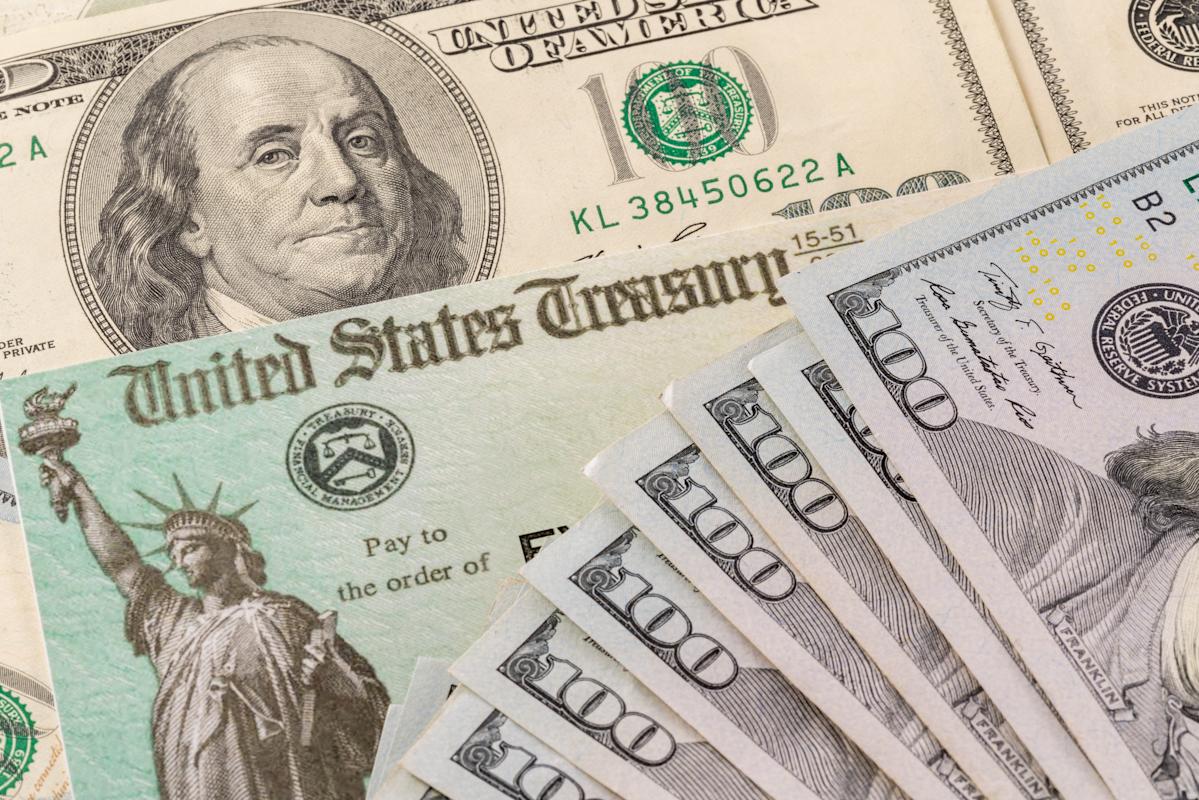
Buying a Treasury bill is sort of like making a loan to the U.S. government. T-bills pay you guaranteed interest based on the length of time you invest your money. Rates currently range from 3.6% to 3.8% with terms of four to 52 weeks. You can sell a T-bill before the maturity date, but you'll lose some of the interest you would have earned otherwise.

Additionally, unlike savings accounts, you only pay federal taxes (no state taxes) on the interest you earn on T-bills.

Read more: Do I have to pay taxes on my savings account?

If you have cash you don't plan to use for a couple of months or even for several years, either of these options can be a good place to keep it. But they each serve different purposes.

An HYSA is the best choice for your emergency savings or cash you need for an upcoming expense. Unlike T-bills, you can deposit and withdraw funds to and from a savings account at any time (though withdrawal limits may apply).

When it comes to money you can part with for a few months or more, a Treasury bill can be a good choice.

Here are the features you should compare before choosing a HYSA versus a Treasury bill:

Account fees

Interest rates

Fixed vs. variable rates

Time to maturity

Taxes on interest

Limits on deposits and withdrawals

T-bill

HYSA

Highest available rate

3.8%

4.1%

Fixed rates

Yes

No

Minimum amount to open

$100

$0 or higher

Length of deposit

4-52 weeks

No limit

Insurance

100% backed by U.S. government

Federally insured up to $250,000

Taxes on interest

Federal

Federal and state

Common fees

None through TreasuryDirect

Minimum balance fee

Monthly maintenance fee

Best for

Short-to-mid-term savings

No state taxes

Fixed interest

Emergency savings or sinking funds

Withdrawing funds as needed

Whether a Treasury bill or high-yield savings account is better for you depends on your goals and how often you need to access your funds.

T-bills are considered very safe because they’re backed by the government. They can also offer yields comparable to HYSAs. One big benefit of T-bills is the interest income is exempt from state and local taxes, which can be a significant benefit for those in high-tax states.

Meanwhile, HYSAs offer more liquidity, making them better for emergency funds or other situations when you need regular access to your money. HYSAs are also FDIC-insured, meaning up to $250,000 of your deposits are protected if the bank fails.

One of the main downsides to a high-yield savings account is that the rates are variable and subject to change at any time. So, for instance, if the Federal Reserve cuts its target rate, the yield on your HYSA will eventually go down, too.

Read more: Understanding the pros and cons of high-yield savings accounts

If you’re looking for alternatives to T-bills with potentially higher returns, one option is a certificate of deposit (CD). These accounts offer fixed rates that can be competitive with or even higher than T-bills. However, CDs have early withdrawal penalties.

For those willing to take on more risk, another option to consider is dividend-paying stocks. These can offer higher returns and some level of income generation, but with much greater volatility than T-bills.

Deciding between bonds and high-yield savings accounts depends on your risk tolerance, time horizon, and need for liquidity. Government bonds (such as T-bills or T-notes) offer a safe, predictable income, but can tie up your money for several months. The yields might be higher, especially for longer-term bonds, but these also carry interest rate risk if you sell before maturity.

High-yield savings accounts, on the other hand, are perfect for liquidity and short-term savings needs, like emergency funds.

Compare bonds and high-yield savings accounts to see which offers better returns, safety, and flexibility for your short- or long-term financial goals.

Choosing a savings account that keeps up with inflation is key to protecting the value of your dollars.

If you want to earn a higher interest rate on your savings, money market accounts or Treasury bills can be good options. But each has its pros and cons. Here’s what to know.

HYSA rates are falling, so where is the best place to put your savings? We examine a recent Reddit thread on this topic and detail your best options.

These are the best high-yield savings accounts today. We evaluated dozens of accounts to find the 10 best. See our picks based on interest rates, fees, and more.

With deposit interest rates falling, you may be wondering if your high-yield savings account (HYSA) is still worth it. Here’s what to know.
Comments
You must be logged in to comment.