yahoo Press
Fed predictions for 2026: What experts say about the possibility of rate cuts this year
Images
1 / 12
2 / 12

3 / 12

4 / 12

5 / 12
6 / 12

7 / 12
8 / 12
9 / 12
10 / 12

11 / 12

12 / 12
Some offers on this page are from advertisers who pay us, which may affect which products we write about, but not our recommendations. See our Advertiser Disclosure.

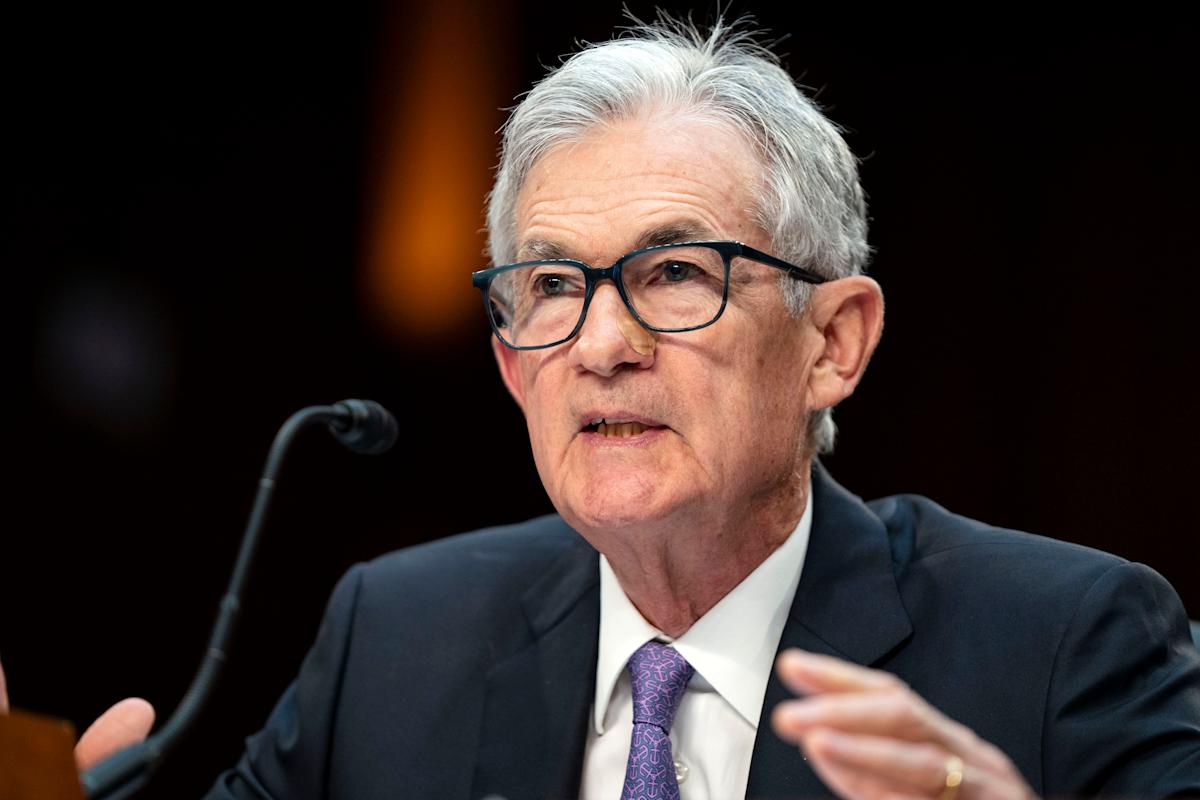
At the Federal Open Market Committee (FOMC)’s most recent meeting in March, the committee announced its decision to maintain the target range for the federal funds rate at 3.50%-3.75%, citing “uncertainty about the economic outlook.”

The Fed has not cut rates since late 2025, yet interest rates on consumer loans and bank accounts have steadily decreased.

With several Fed meetings on the calendar for the remainder of 2026 — can consumers expect to see any more rate cuts in 2026?

And if so, how will that impact your bottom line? Here’s what the experts have to say, and what you should do to prepare in the meantime.

Read more: How a Fed rate cut affects your bank accounts, loans, credit cards, and investments

The federal funds rate is the interest rate at which depository institutions charge each other for ultra-short-term loans, usually overnight. It's expressed as a range, and financial institutions negotiate a specific rate within that range.

The federal funds rate plays a key role in the Federal Reserve’s management of inflation. When inflation is too high, the Fed typically raises its rate to reduce consumer spending and slow economic activity. Conversely, the Fed may lower its rate to stimulate economic activity and growth.

The federal funds rate doesn’t directly affect the rates offered by individual banks, but it does have an influence. When the Fed’s target rate increases or decreases, rates for high-yield savings accounts, certificates of deposit (CDs), money market accounts, credit cards, home loans, and other banking products generally follow suit.

That means when the Fed’s rate is high, it can be a good time to deposit money in a bank account and earn more interest. When it’s low, it’s a good time to borrow money or refinance at a lower interest rate.

Read more: How do banks set their savings account interest rates?

After inflation peaked in June 2022, the Fed implemented a series of rate hikes in an effort to tame rising costs. By July 2023, the federal funds rate reached a target range of 5.25%-5.5% — the highest it had been since 2006.

The Fed then held rates steady until September 2024, at which point it made a 50-basis-point cut. The federal funds rate was reduced by another 25 bps in November, and again in December.

Three more cuts occurred in 2025 — in September, October, and December — dropping 25 bps each time. However, the Fed has not made any rate cuts in 2026, so far. Currently, the Fed’s target range is 3.5%-3.75%.

Read more: A look at the federal funds rate over the past 50 years

The Fed’s job is to carefully monitor the economy and maintain stability. During each meeting, it may adjust the federal funds rate and overall monetary policy based on what the economy needs to continue running smoothly. However, it doesn’t necessarily announce its plans ahead of time.

Economic experts monitor the economy's health closely and formulate their own ideas about the Fed’s next move based on the data they have available.

For example, the latest dot plot published by the Fed shows that a single rate cut in 2026 is still the expectation. However, that cut may not come until later in the year; CME’s FedWatch tool predicts a 0% chance of a rate cut following the Fed’s next meeting at the end of this month.

“The March jobs report showed a weather-related boost of 178,000 additions, offset by negative revisions to February at -133,000,” said John Blank, chief equity strategist and chief economist at Zacks Investment Research. “Following that data, CME Fed Funds futures pointed to virtually no probability of a rate move at the April 28th-29th FOMC meeting, and a 77.5% probability the Fed stays on hold through the end of 2026.”

Blank added, “On the inflation front, a swift rise in oil and gasoline prices is likely to give the Fed further reason to pause on policy rate decisions for the next few months. With price pressures still in focus, the committee will be reluctant to act prematurely.”

Read more: Jobs, inflation, and the Fed: How they're all related

Regardless of whether the federal funds rate changes, it’s a good time to evaluate your banking products and potentially make some savvy money moves that could pay off later.

Right now, the national average savings interest rate is just 0.39%. But some banks and credit unions offer high-yield savings accounts that earn 10 times that — at least, for now. If your interest rate isn’t competitive, you could be leaving money on the table.

So, shop around and see if you’re getting the best rates possible on your savings. If not, it could be time to switch banks or open up a new type of account.

The best CD rates today are comparable to HYSAs. But one of the major perks of CDs is that they provide a fixed interest rate for the entire term. This allows you to lock in a high APY for several months or years, even if deposit rates in general start going down.

Keep in mind that if you make a withdrawal before your CD reaches maturity, you’ll be subject to an early withdrawal penalty. So be sure to carefully consider your savings goals before tying up your money in a CD. If you’re saving for a longer-term goal (six months to two years), opening a CD and securing a higher rate could help you reach it even faster.

Read more: Short- or long-term CD: Which is best for you?

If you’re preparing for a big-ticket purchase (like a car or house), applying for a new loan now could potentially lock you into a higher interest rate.

It’s impossible to predict with certainty how the Fed will change rates — if at all. However, if Fed officials do decide to cut rates next year, lenders will likely reduce their rates as well. So it could pay to hold off.

The federal funds rate is a key tool used by the Federal Reserve to keep the economy running smoothly and manage inflation. Here's a closer look at the historical Fed interest rate over the past 50 years and how it compares to today.

Are CD rates expected to go up or down next year? Here’s what the experts think about where CD rates are headed in 2026.

Fed rate cuts cause CD rates to fall. So, with the next Fed meeting coming up — and a rate cut likely — now is a good time to open a CD and lock in today's high rates.

The Federal Reserve's interest rate decisions can directly impact your wallet. So what’s better: high or low interest rates?

Here's how the Fed's rate decision could impact savings products, various types of loans, and credit cards.

The Fed once again voted to hold the federal funds rate steady. Will interest rates begin dropping before the year is up?
Comments
You must be logged in to comment.