yahoo Press
ATM skimming: What it is, how it happens, and how to spot it
Images
1 / 10

2 / 10

3 / 10

4 / 10

5 / 10

6 / 10
7 / 10

8 / 10

9 / 10

10 / 10
Some offers on this page are from advertisers who pay us, which may affect which products we write about, but not our recommendations. See our Advertiser Disclosure.

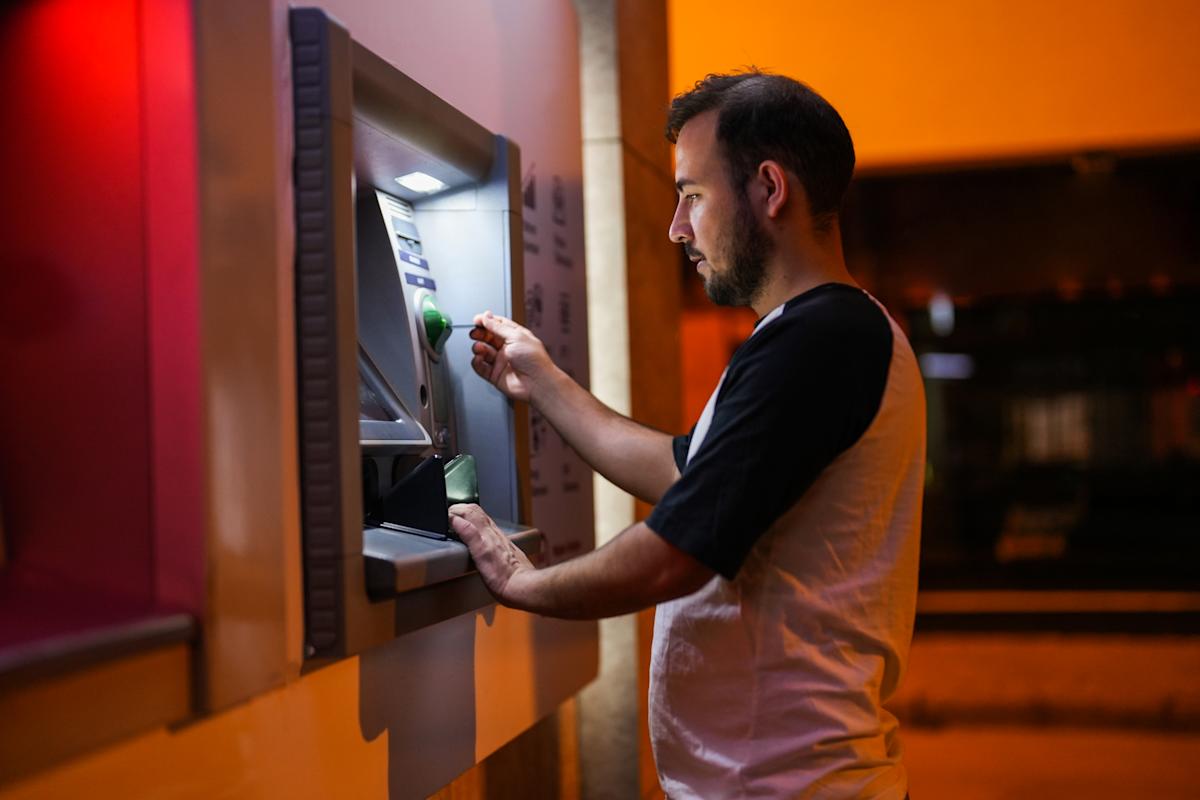
When you insert your debit card at an ATM or swipe it at a store, you may not realize you're potentially at risk of becoming the target of ATM skimming.

ATM skimming isn't something most bank customers encounter regularly, but it's far from rare. FICO identified more than 231,000 U.S. debit cards compromised by skimming in 2024, and law enforcement agencies continue to dismantle organized skimming operations across the country.

So what is ATM skimming, exactly? And how can you protect your sensitive information and money from ATM skimmers? Read on to find out.

ATM skimming happens when someone gains access to your debit card information via an ATM or card payment terminal using a special device installed on the card reader. These devices can capture your name, debit card number, PIN, and more.

Financial institutions have been combating ATM skimming by implementing safeguards such as EMV chips and tap-to-pay technology. Even so, skimming is still a prevalent issue.

ATM skimming tends to occur at locations with high debit card use. This includes ATMs, gas station pumps, and any other point-of-sale terminals where you may insert your card.

ATM card skimmers use various tactics to gain access to your personal information. Some of the most common methods include:

Attaching a skimming device to an ATM or payment machine that reads and records your card information.

Strategically placing a camera near the machine to record you as you enter your information.

Placing an overlay on a machine's PIN pad, which records your information as you type it.

ATM skimmers collect and use this information to access the funds in your checking account, make unauthorized purchases, or even open new, fraudulent accounts in your name.

Read more: How to dispute a debit card charge

Anyone with a debit card can fall victim to ATM skimming. However, there are ways to spot the signs ATM skimming. Here are some key habits to adopt to better protect your money:

Often, taking a close look at an ATM or payment terminal before using it can help you spot whether there's anything off about it. Check for signs of tampering, such as a loose or damaged card reader, tape or glue on the machine, or an unusually thick PIN pad.

Using tap-to-pay or a digital wallet such as Apple Pay or Google Wallet can be a safer option than inserting your card into a reader. These forms of contactless payments encrypt your card information so that it can't fall into the wrong hands.

If contactless payments aren't an option, inserting your card into a chip reader can be a safer alternative to swiping your card and potentially revealing your card's magnetic stripe to fraudsters, as the stripe holds key data, including your name, card number, expiration date, and card verification code (CVC).

To protect against any hidden cameras, use your hand to cover the keypad as you type in your PIN.

Read more: How to create a secure debit card PIN (that you'll actually remember)

FICO reports that 65% of card skimming incidents take place at privately owned non-bank ATMs. You might find these machines at a convenience store, bar, restaurant, or salon. If you need cash in a pinch, consider using your bank's branch or ATM locator to find a nearby location.

Make it a habit to regularly review your bank statements for any activity you don't recognize. If you notice any fraudulent charges, dispute them right away with your bank.

Many banks allow you to create email or text alerts so you can catch suspicious activity in your account. For example, you may want to be alerted to transactions over a certain dollar amount. Take a moment to review your notification settings and adjust them so that if you do fall victim to card skimming, you can find out as soon as possible and notify your bank.

Read more: Guide to ATM safety: Tips for protecting yourself and your money

Learn what credit card skimmers are, how to spot them, and the steps you can take to protect your debit and credit card information.

Learn how to keep your information safe and when it's a good idea to practice extra caution.

Banking scams are common, and they're becoming more sophisticated. Learn how to avoid the seven most common bank scams.

When you open a checking account, you'll be issued a debit card. But what is a debit card, exactly? Here's what you need to know about how debit cards work.

Learn how to keep your money safe while traveling. These six tips can help prevent fraud and scams abroad.

Identity theft can wreak havoc on your finances. Here’s what identity theft is, how it happens, and what you can do to prevent it.
Comments
You must be logged in to comment.