yahoo Press
How to spot credit card skimmers
Images
1 / 9

2 / 9
3 / 9

4 / 9

5 / 9
6 / 9

7 / 9
8 / 9

9 / 9
Some offers on this page are from advertisers who pay us, which may affect which products we write about, but not our recommendations. See our Advertiser Disclosure.

Card skimming, where thieves steal your information after illegally modifying a business’s card reader, is on the rise. There was a 40% increase in skimming reports in 2023, according to FICO data, with an average of about 200 cards affected in each skimming event.

In this article:

What is a credit card skimmer?

How to spot a credit card skimmer

7 tips for protecting your credit card information

What to do if your credit card has been skimmed

FAQ

A credit card skimmer is a device, such as a false keypad, fake panel, or small camera, that attaches to or is placed near a payment terminal. When you swipe your credit or debit card, thieves can collect your information, such as your card number, expiration date, card verification value (CVV) code, and name.

Once they have your data, they can use it to make unauthorized purchases by entering your information online, creating fake cards, or selling it to a third party.

See also: What happens if your credit card gets lost or stolen?

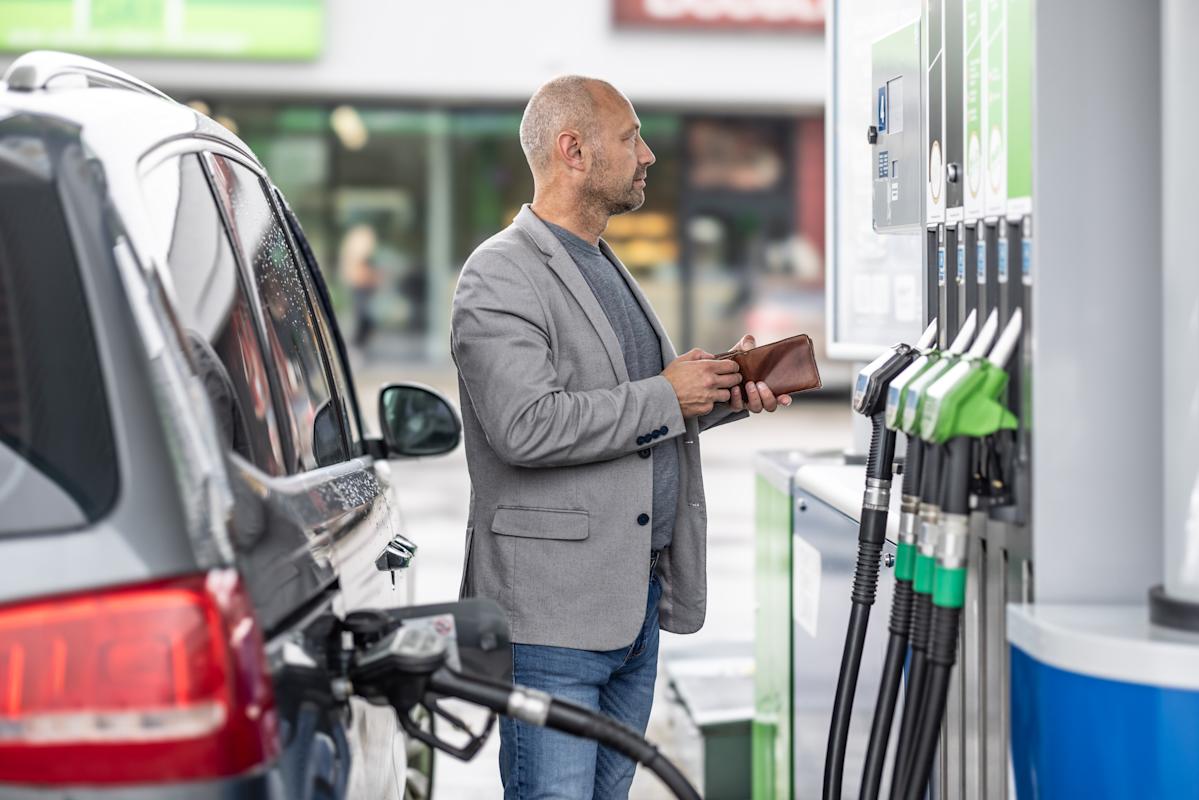
Skimmers are often placed on or near outdoor payment terminals or easily accessible to the public. Gas pumps and ATMs are common targets, but skimmers may also be found in stores or restaurants, so it’s important to know how to identify one.

Looking closely at different payment terminals can help you avoid credit card skimmers, though some devices are sophisticated and hard to spot. If a payment terminal has been compromised, you might notice that the tape on the panel is cut or the terminal or the keypad appears misaligned. Likewise, a terminal with a skimmer attached might look different than others nearby or ones you’ve seen elsewhere. It could have an additional piece of plastic or metal attached.

Besides a visual inspection, you can also try moving parts of a payment terminal around before inserting your card. Untampered-with terminals are well-built to protect consumers, so if a keypad or card reader wiggles or moves easily when you touch it, it could be compromised. Similarly, if buttons on a keypad are difficult to push, there might be a problem. If you identify a potential issue with a payment terminal, report it to the business immediately.

Learn more: How to protect yourself against credit card fraud

It can be difficult to spot a skimmer, even with a thorough inspection. But you can be vigilant in other ways to keep your debit and credit card information safe. Here are some helpful tips to avoid credit card fraud.

Pay inside: Since gas stations are common targets for credit card skimmers, pay inside rather than using the pump terminal.

Avoid high-risk ATMs: When possible, avoid outdoor ATMs or those at gas stations and convenience stores. Stick to the ATMs at your bank or other nearby banks to make transactions.

Cover your information: Since small cameras can be used to steal your information, cover your card with one hand and insert it into the terminal with the other. Also, cover the keypad when entering your PIN.

Pay via digital wallet: If available, consider paying via digital wallet instead. This offers more protection than using a physical card.

Keep your card in a safe place: Keep your credit or debit cards in a safe place, such as a wallet or purse, that you keep with you. Don’t leave them in your car or out in the open at home. This can help prevent unauthorized access.

Monitor your accounts regularly: Log into your account and review your recent transactions regularly. If you determine you didn’t make a particular purchase, contact your bank or credit card issuer immediately.

Choose cards with zero liability protection: Most banks and card issuers offer zero liability protection, which means you aren’t responsible if a thief steals your card info and buys things. Opting for a card with this benefit could provide added protection.

If you suspect your card has been skimmed, take action quickly. Call the number on the back of your debit or credit card to speak with a representative immediately. Notify them of any fraudulent charges that have appeared on your card, and discuss how to get them removed. The bank will likely cancel your card and issue you a new one.

Once you’ve spoken with your bank or card issuer, you can also file a report with your local police department and contact the business where you think the incident occurred. It can be hard to pinpoint exactly where or when your credit card may have been skimmed, but you may recall a suspicious issue with a payment terminal.

After you’ve received your new card, ensure that you’re following the above steps to protect your information. Consider placing a temporary freeze on your credit report as an additional measure of protection.

While tapping your card at a payment terminal may offer more protection than swiping or inserting it, thieves could still access your card information via a process called shimming. With this technique, a small, often undetectable device (or shim) is placed in a terminal to capture card information. Shimming started once chip cards became widely used.

You might be able to tell if a payment terminal has a card skimmer by visual or tactile inspection. If a keypad looks misaligned, the keys are hard to push, the tape across a terminal is broken, there are suspicious scratches, or the payment slot looks different from the others, it's possible the terminal has been compromised.

Yes, a credit card skimmer could access your three- or four-digit CVV code. When you swipe your card at a payment terminal, it accesses your card number, expiration date, CVV, and your name to send to the payment network. A compromised terminal with a skimmer attached could easily grab and transfer this information to a third party.

This article was edited by Alicia Hahn

Editorial Disclosure: The information in this article has not been reviewed or approved by any advertiser. All opinions belong solely to Yahoo Finance and are not those of any other entity. The details on financial products, including card rates and fees, are accurate as of the publish date. All products or services are presented without warranty. Check the bank’s website for the most current information. This site doesn't include all currently available offers. Credit score alone does not guarantee or imply approval for any financial product.

ATM skimming costs consumers and financial institutions more than $1 billion each year, according to the FBI. Here’s how ATM skimming works and how to keep your finances safe.

Learn how to keep your information safe and when it's a good idea to practice extra caution.

Becoming a victim of fraud when you use a credit card for online shopping is a very real risk. Here's what you can do to protect your money.

Losing your credit card or having it stolen can be scary, but you can quickly take steps to report the lost or stolen card while staying protected from fraud.

Identity theft can wreak havoc on your finances. Here’s what identity theft is, how it happens, and what you can do to prevent it.

It’s possible to run your debit card as “credit” at the register, which has its pros and cons. Here’s what happens when you select credit for a debit card purchase.
Comments
You must be logged in to comment.