yahoo Press
What is a money order, and how does it work?
Images
1 / 9

2 / 9

3 / 9

4 / 9
5 / 9

6 / 9

7 / 9

8 / 9
9 / 9
Some offers on this page are from advertisers who pay us, which may affect which products we write about, but not our recommendations. See our Advertiser Disclosure.

A money order might sound old-fashioned, but this payment method has advantages — even in today’s landscape of credit cards, peer-to-peer payment platforms, and Apple Pay. Money orders allow you to send money without sharing sensitive information, and you don’t need a bank account to use them.

Learn more about money orders, how they work, and their pros and cons.

A money order is a document — similar to a check — you can purchase and use to pay someone else. Both individuals and businesses can purchase money orders to pay bills and debts.

You can use a money order in place of cash, check, or electronic transfer. Unlike checks, money orders don’t include any of your personal information. And unlike cash, only the intended recipient can deposit a money order. This can make a money order a more secure alternative to similar payment methods

Recipients can cash a money order or deposit it directly into their bank account. You can buy and cash money orders at certain banks, credit unions, post offices, grocery stores, and other retail locations.

When you buy a money order, you usually have to pay for it upvfront with cash, a debit card, or a traveler’s check. You may also be able to use a credit card, but the transaction will likely count as a cash advance.

You’ll typically pay a fee for a money order. Fees range from around $1 to $5 and vary by location. The United States Postal Service, for example, charges between $2.55 and $3.60 for a domestic money order (excluding Postal Military Money Orders). Banks like Wells Fargo and Citizens charge up to $5. When you make your purchase, be prepared to cover both the money order amount and the fee.

Money orders typically have purchase limits. At USPS locations, domestic money orders have a limit of $1,000, while international money orders are capped at $700. You can purchase more than one money order at a time, but if you spend more than $3,000, you’ll have to show an ID and fill out additional paperwork.

After purchasing and writing the money order, you can mail or hand deliver it to the recipient. Keep the receipt from the purchase transaction — that’s how you’ll confirm the recipient receives and cashes your money order.

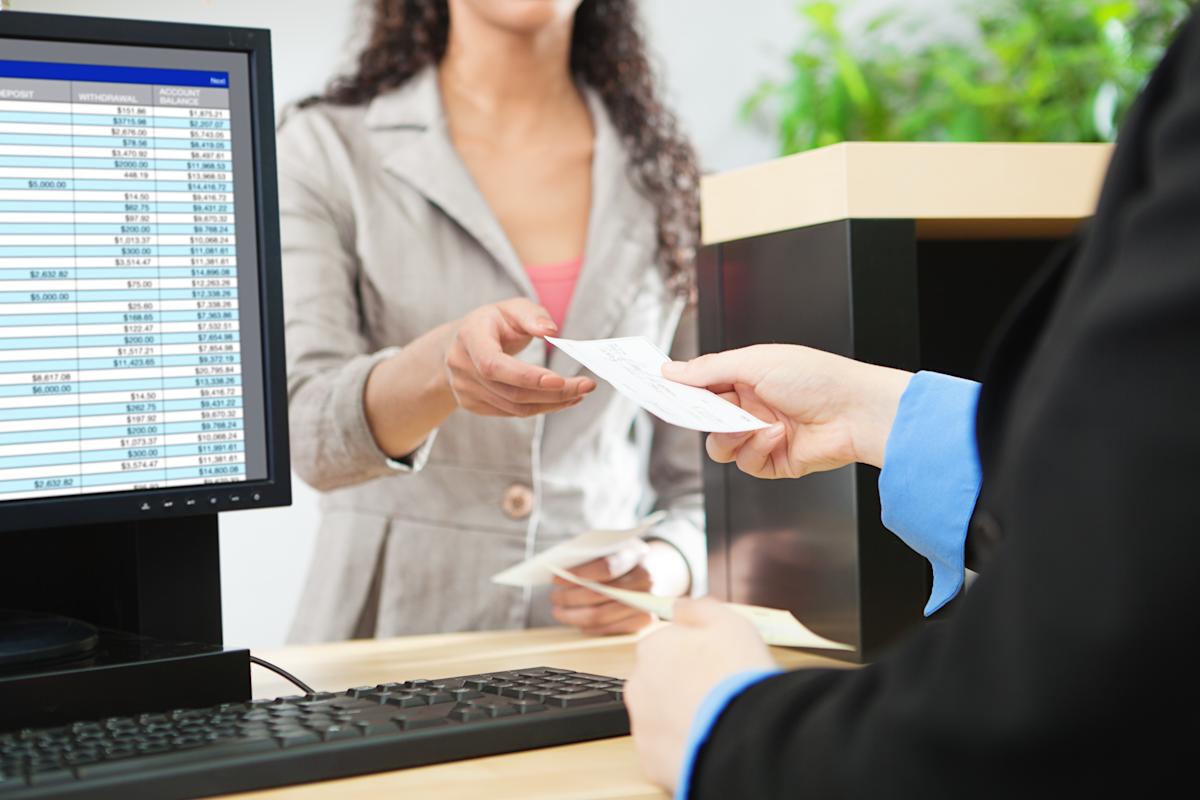
When the payee receives a money order, they can either cash it or deposit it into a bank account. Certain locations may charge a fee to cash a money order, but USPS post offices do so for free. Bring an ID when you cash or deposit a money order, and don’t endorse it before you make the transaction. You may need to do so in front of the teller or retail associate.

Read more: 5 ways to transfer money from one bank to another

Unfortunately, scams using money orders are fairly prevalent. One common scam involves the scammer sending a fraudulent money order for more than they owe. They then ask for the difference back before the payee notices the money order is fraudulent.

The following tips can help you avoid money order fraud:

Don’t send a blank money order.

When sending a money order, keep the receipt until the recipient cashes or deposits the money.

Don’t accept a money order for more than the amount you’re owed.

Inspect a money order for tampering before depositing it.

Be aware of anyone pressuring you to deposit a money order in a hurry.

Read more: 7 common banking scams (and how to avoid becoming a victim)

There are many ways to pay and get paid in today’s world, so is a money order worth it? The following pros and cons can help you decide when you may want to use one.

Security: Money orders don’t include your bank account number, routing number, or any other sensitive information. And unlike cash, only the intended recipient can deposit a money order.

Won’t bounce: You don’t need to worry about a money order potentially bouncing due to insufficient funds. That’s because you have to purchase a money order up front with cash or a debit card.

No bank account necessary: You don’t need a bank account to buy or cash a money order, so this payment method can be especially useful for unbanked individuals.

Read more: Can you cash a check without a bank account or ID?

Purchase limits: Banks, retailers, and other locations that sell money orders may enforce purchase limits. This means you may have to buy several money orders to send larger amounts of money. Plus, buying more than $3,000 worth of money orders requires additional paperwork.

Fees: Money orders usually come with a fee. Though these fees aren’t astronomical, they can add up if you buy money orders frequently.

Lack of convenience: Money orders aren’t always convenient, especially compared to some other methods of sending money. You often have to purchase a money order in person and either send it by mail or deliver it by hand.

You can pay an individual or a business with a money order by purchasing one for the amount you owe. Buy the money order using cash or a debit card. Then fill it out with the correct information — including the recipient’s name — and send it by mail or deliver by hand.

Money orders have a few disadvantages. First, they can come with fees — both for the purchaser and the payee. Money orders may not be the most convenient way to pay someone, either. They typically require an in-person trip to a bank, post office, or retailer, and the payee may have to wait several days to receive their funds. Finally, purchase limits can be a hassle.

A money order doesn’t have to be deposited into a bank account. Instead, you can cash it, making it a useful form of payment for unbanked individuals. But you may have to pay a fee depending on where you cash a money order.

If you need to make a secure payment, both money orders and cashier’s checks are good options. But what’s the difference — and when should you use one over the other?

If you need to make a large payment, a cashier’s check can be a more secure alternative to personal checks or cash. So how does a cashier’s check work? Here’s what you need to know.

A bank draft is a secure payment guaranteed by the issuing bank. How do bank drafts work, and when should you use one? Here’s what you should know.

The best way to transfer money internationally depends on a combination of security, fees, speed, and your preferences. Here are your four best options (plus, a few to avoid).

Depositing your cash into a bank account can simplify payments, enhance safety, and even help you save money. Learn the best ways to deposit cash into your bank account.

A certified check is a secure way to pay for goods and services, and may be required for certain purchases. Here’s what you need to know about how certified checks work and where to get them.
Comments
You must be logged in to comment.