yahoo Press
Is it safe to store money in apps like Venmo, PayPal, and Cash App?
Images
1 / 11
2 / 11

3 / 11

4 / 11

5 / 11
6 / 11

7 / 11
8 / 11

9 / 11

10 / 11

11 / 11
Some offers on this page are from advertisers who pay us, which may affect which products we write about, but not our recommendations. See our Advertiser Disclosure.

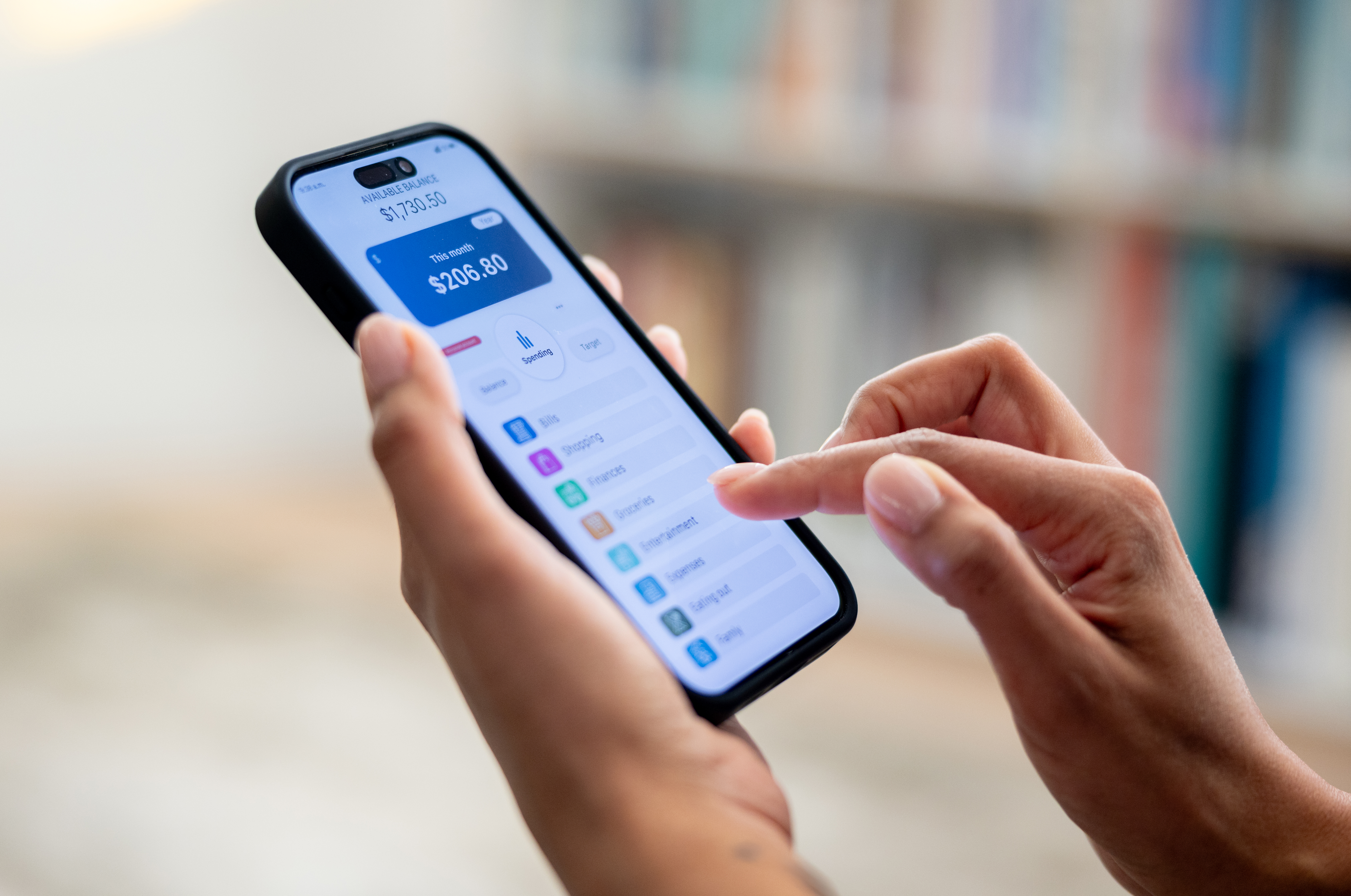
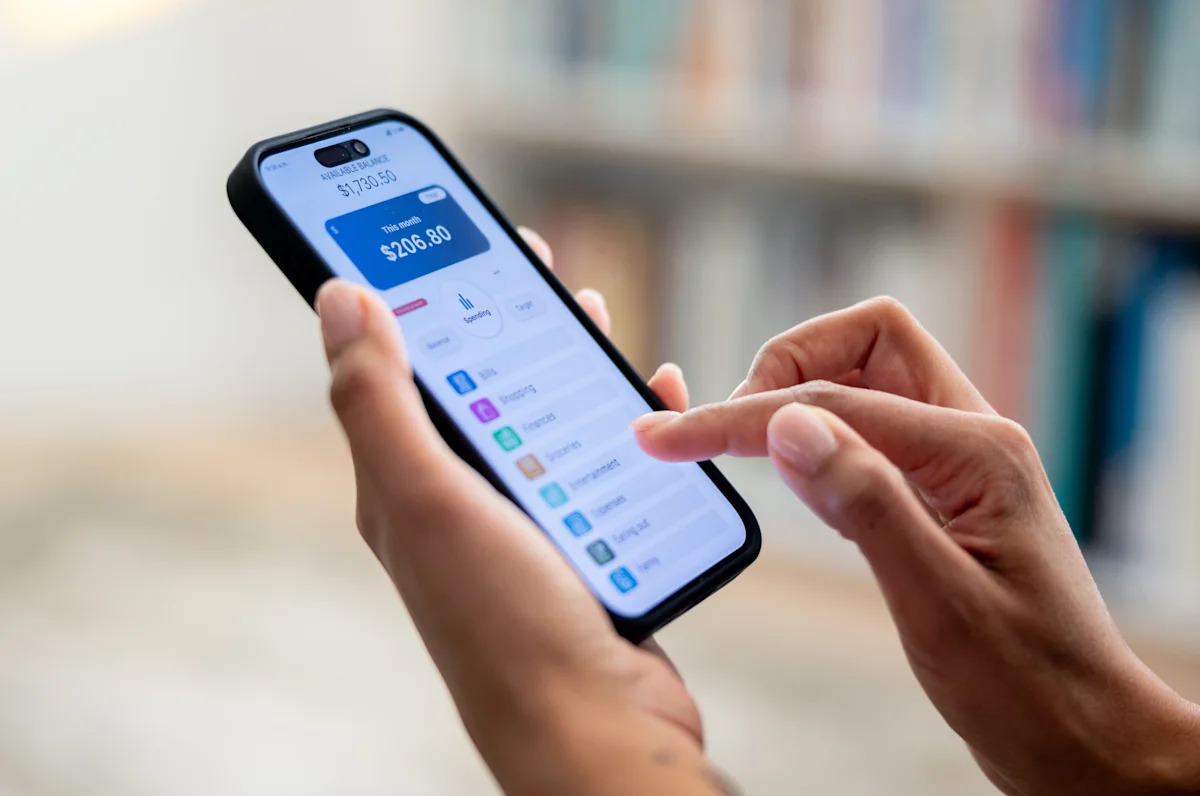
Mobile payment apps such as Venmo, PayPal, and Cash App have grown in popularity in recent years. More than three-quarters of Americans have used these types of apps to send or receive money from individuals.

Yet despite the convenience and growing use of P2P apps, there are risks you should be aware of as well. In particular, the Consumer Financial Protection Bureau (CFPB) warns consumers that storing cash in apps like PayPal, Cash App, and Venmo is a habit you should avoid. Here's why.

A peer-to-peer payment app is a type of digital payment platform that allows you to transfer money to another individual using a mobile device or computer. When you register for a P2P service, you start by connecting your bank account, credit card, or digital wallet. From there, you can send or receive cash to other users who are registered with the same P2P service.

Depending on the P2P payment app, you may incur fees when you send money. Other services may charge you fees to transfer funds to your bank account — especially if an international transfer is involved. Many P2P apps, however, offer free payment options for sending cash between friends and family members. Non-expedited domestic bank transfers may be free as well, depending on the app.

Despite their popularity and usefulness, P2P payment apps aren't safe places to store money. Loading cash onto the apps or keeping money there after you receive funds from another user might put your money at risk.

Lack of federal deposit insurance: When you use a nonbank payment app, the money you store doesn't have the benefit of federal deposit protections. By contrast, if you transfer your money to an account at an FDIC member bank or an NCUA member credit union, your funds are protected up to the federal limit ($250,000 per depositor, per institution, per ownership category), even in the event of a bank failure.

Unclear user agreements: Digital payment apps don't always have clear user agreements to detail what would happen to customers and their money in the event of company failure.

P2P apps may invest funds with less oversight: Companies that own P2P apps often choose to invest the funds customers store in their accounts. But as non-banks, these businesses don't receive the same oversight as other financial institutions. So, the investments that nonbank P2P companies make could, at least in theory, be subject to more risk.

Read more: What to do if you sent money to the wrong person on Cash App, Zelle, or Venmo

As mentioned, storing money in apps such as Venmo, PayPal, Cash App, and others could put your money at risk. Yet there's another downside you should be aware of as well. When you keep money in these types of apps, you don't have the ability to earn interest on your savings.

If you're looking for a safe place to store extra cash, you may want to consider one of the following alternatives instead.

A high-yield savings account (HYSA) works like a traditional savings account, but offers a much higher interest rate. For example, the national average savings account rate is just 0.38%, according to the FDIC, but the best high-yield savings accounts earn around 3% to 4% APY.

Additionally, HYSAs allow you the flexibility to withdraw or deposit money from your account as needed. However, keep in mind that your financial institution may limit the number of withdrawals allowed per month.

HYSAs are available from many banks and credit unions, especially online institutions. In fact, some P2P payment apps now offer their own HYSAs in partnership with traditional banks.

For instance, Cash App has an HYSA that earns up to 3.25% interest and requires a minimum opening deposit of just $1. So, if you're a Cash App user, you can transfer your funds into the HYSA to earn interest on your balance — and ensure the funds are FDIC-insured through the company's partner banks (Wells Fargo, Sutton Bank, and/or The Bancorp Bank) — until you're ready to transfer it to your Cash balance for spending.

In general, most people use checking accounts for managing everyday transactions (like paying bills and shopping) rather than saving. As a result, checking accounts aren't typically known for their interest-earning potential. Yet there are certain types of checking accounts — called interest checking or high-yield checking accounts — that often pay out higher rates to customers.

On top of higher interest rates, most interest checking accounts come with the capabilities of a regular checking account, such as check-writing privileges and the ability to use a debit card. Keep in mind that some interest checking accounts may also feature higher monthly maintenance fees. So, depending on your priorities, you could also search for free checking accounts or look for banks that offer fee waivers.

Read more: Is it worth paying for a premium checking account?

If you have a specific amount of money you want to set aside for a short-term savings goal, a certificate of deposit is another option that might work for you. With a CD, you deposit a lump sum of money with a bank or credit union. Then, those funds remain on deposit with the financial institution for a fixed period of time.

In exchange for agreeing not to withdraw your savings until the end of the CD's term, your bank or credit union will give you a guaranteed (fixed) interest rate that does not fluctuate with the market. If you decide to withdraw money from your account early, you'll typically have to pay an early withdrawal penalty that could cost you a portion or even all of your interest earnings depending on the terms of your agreement.

The best CD rates are often (though not always) more attractive than the interest rates available on other types of deposit accounts. However, exact rates can vary based on your CD term and other factors. So, it's always important to compare multiple offers. And, again, you should be sure to select a bank or credit union that offers federal deposit insurance to protect your money.

No matter which banking alternative you choose, it's important to move your money out of P2P apps on a regular basis. When you transfer your cash from a P2P app to any federally insured deposit account, you can at least rest assured that your money is safe.

If you use P2P apps often, try to make a habit of checking your balances a few times a month to make sure you don't have any forgotten balances lingering in your accounts. You can add this task to your monthly financial checklist, perhaps when you update your budget or review your credit card statements. Or consider setting a reminder on your smartphone so you won't forget.

A Cash App savings account offers high-yield returns on a user-friendly interface. Learn how it works and how to get the highest Cash App savings interest rate.

Cash can be lost, damaged, or stolen. So if you have cash savings, consider moving your money to a federally insured, interest-bearing account.

Cash can be lost, damaged, or stolen. So if you have cash savings, consider moving your money to a federally insured, interest-bearing account.

Is the PayPal Savings account worth it? We examined a recent Reddit thread about the PayPal Savings account and how it compares to other high-yield savings accounts on the market.

It's important to have cash on hand, but where is the best place to keep it? These options are not only safe, but also allow you to earn interest and grow your balance faster.

Typically, high-yield savings accounts are perfectly safe. But you still need to take steps to protect your funds, including banking with a federally insured institution and avoiding fees.
Comments
You must be logged in to comment.